

COMMUNITY HOUSING EXPLAINED
A guide to commonly used terms
Social and affordable housing are terms often used together.
SOCIAL
HOUSING
long term subsidised rental housing for those on very low incomes, including those with complex needs such as disability, homelessness or those affected by family violence.
AFFORDABLE
HOUSING
rents are lower than market rent for those on low – moderate income. Housing is most often targeted at those that are working full/part time or are considered ‘key workers’ who cannot afford private rentals accessible to work opportunities. For example, students, nurses or allied health workers.
PUBLIC
HOUSING
Public housing is social housing owned and managed by the Victorian State Government through Homes Victoria.
CRISIS ACCOMODATION
Crisis accommodation is short -term housing for those that are homeless or at risk of homelessness. Housing is managed by specialist community organisations funded to provide services to people at risk.
COMMUNITY
HOUSING
Community Housing providers are not-for-profit organisations that provide secure, affordable, long term rental housing that they manage or own and can include social and affordable housing.
COOPERATIVE
HOUSING
Rental Housing Cooperatives are not-for profit, community housing providers. Properties can be managed and/or owned by the cooperative and provide affordable long term rental housing. The cooperative is member run.
▼
Community Housing and Cooperative Housing may manage properties owned by the government. They collect rent and provide maintenance services under an agreement with Homes Victoria.
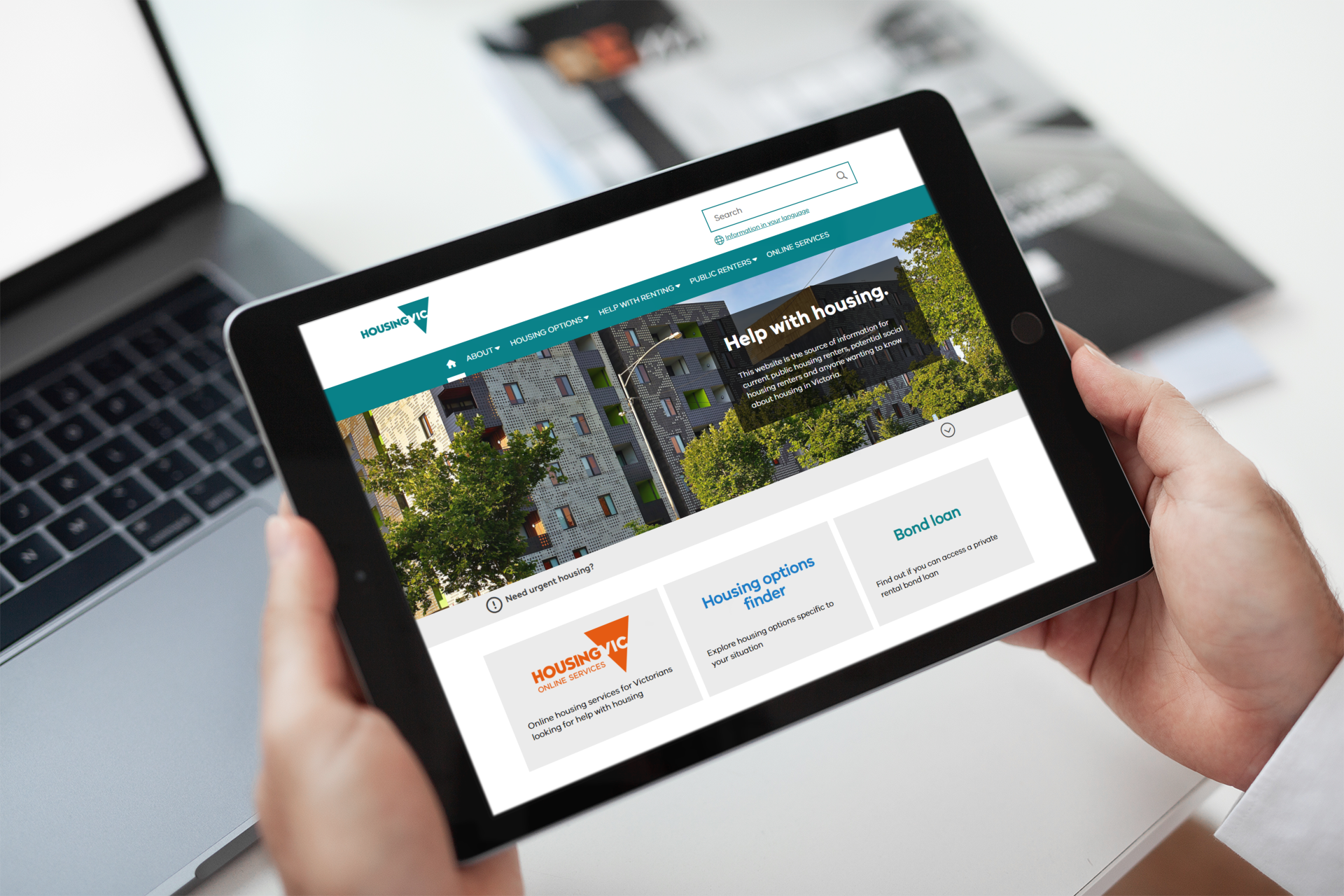
Other specialist housing such as supported accommodation can be found https://www.housing.vic.gov.au/
If you are homeless or at risk of homelessness or family violence call
1800 825 955 or find information and support at https://services.dffh.vic.gov.au/getting-help The application process for all social housing is managed by the Victorian Housing Register (VHR) - https://www.housing.vic.gov.au/victorian-housing-register-participating-agencies